

When analysing the UK short-term rental market, certain locations consistently outperform others in stability and year-round occupancy. Among them, academic cities such as Oxford, Cambridge, Durham, York, Bath, and Exeter stand out.
For landlords considering opportunities in university-led markets, understanding why these locations perform so reliably is essential. From visiting professors and international researchers to family graduation stays and corporate partnerships, the demand profile is diverse and recurring.
If you’re evaluating investment potential in serviced accommodation Oxford, exploring Cambridge short stays, or analysing broader university accommodation UK trends, this guide outlines why academic cities remain one of the most resilient segments in the serviced accommodation sector.
The Unique Stability of Academic Economies
Unlike purely tourism-driven destinations, academic cities are supported by long-established institutions with predictable annual cycles.
Universities such as:
- University of Oxford
- University of Cambridge
- Durham University
- University of York
- University of Bath
- University of Edinburgh
operate on structured academic calendars that create repeated accommodation demand across the year.

Key Demand Drivers in Academic Cities
- Visiting lecturers and research fellows
- International PhD students awaiting housing
- Conference delegates
- Graduation attendees
- Parents visiting students
- Corporate research partnerships
- Medical placements and hospital rotations
This diversity of guest profiles reduces reliance on a single demand stream.
Oxford: A Global Academic Hub
Oxford’s global reputation extends far beyond education. It attracts:
- Academic conferences
- Biotech and science collaborations
- NHS placements at John Radcliffe Hospital
- Corporate research initiatives
The city’s housing supply is constrained, which strengthens demand for serviced accommodation.
Why Serviced Accommodation Oxford Performs Well
- Colleges often cannot house visiting academics
- Families prefer full apartments over hotel rooms
- International visitors seek flexible mid-term options
- Extended stays are common (2–12 weeks)
Serviced accommodation often bridges the gap between university halls and private long-term rentals.
Cambridge: Innovation Meets Academia
Cambridge blends university prestige with the thriving Silicon Fen technology cluster.
This creates a dual demand stream:
- Academic visitors
- Corporate tech professionals
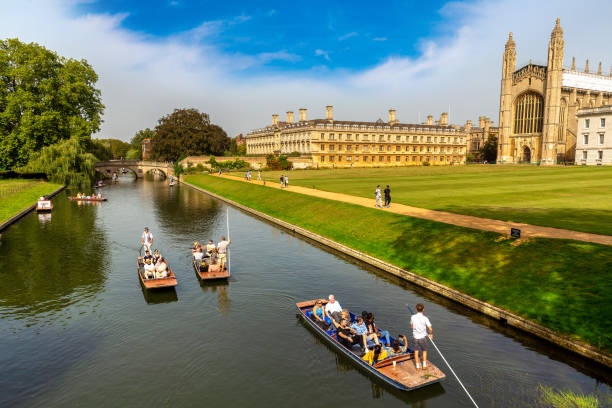
Cambridge Short Stays: Who Books?
- Visiting scientists
- Tech consultants
- Relocating professionals
- Conference speakers
- Research grant collaborators
The result is steady occupancy across the academic year, with spikes during graduation and conference seasons.
Year-Round Demand Cycles in University Cities
Academic cities operate on predictable demand patterns:
Autumn Term (September–December)
- Visiting lecturers
- International arrivals
- Parent drop-offs
- Conference season
Spring Term (January–March)
- Research placements
- Mid-term academic visits
- NHS rotations
Summer Term (April–June)
- Graduation stays
- End-of-year conferences
- Academic exchanges
Summer Break (July–August)
- Tourism
- Summer schools
- Language programmes
Unlike seasonal seaside towns, academic cities rarely experience prolonged low-demand periods.
Why Hotels Don’t Always Meet Academic Needs
Hotels serve short-stay tourists well but may not suit academic visitors who:
- Require kitchen facilities
- Need separate workspaces
- Stay for multiple weeks
- Prefer residential environments
- Travel with family
Serviced accommodation provides:
- Full kitchens
- Dedicated work areas
- Laundry facilities
- More space per stay
- Weekly rate flexibility
This makes it a practical alternative within the university accommodation UK ecosystem.
Graduation Season: A Predictable Revenue Spike
Graduations at Oxford, Cambridge, Durham, and York drive:
- High nightly rates
- 3–4 night minimum stays
- Family group bookings
- Strong direct booking demand

Landlords positioned near university campuses often experience near-full occupancy during these periods.
Corporate & Research Partnerships Add Stability
Many academic cities have strong ties with:
- Pharmaceutical companies
- Biotech firms
- Engineering research groups
- NHS Trusts
- International academic bodies
This ensures ongoing professional travel, independent of tourism fluctuations.
In Cambridge, the technology sector strengthens mid-week occupancy.
In Oxford, medical research and biotech create long-stay demand.
Supply Constraints Strengthen Demand
Academic cities often face:
- Strict planning controls
- Conservation area regulations
- Limited new housing supply
- High property values
While this raises entry costs, it also limits oversupply.
For landlords, restricted supply can help maintain pricing resilience.
International Demand: A Global Audience
Oxford and Cambridge attract visitors from:
- North America
- Europe
- Asia
- The Middle East
International academic travel often involves:
- Longer stays
- Flexible arrival dates
- Family accompaniment
Serviced accommodation supports these needs more effectively than traditional hotels.
Investment Considerations for Landlords
When evaluating academic cities:
Location Matters
Properties within walking distance of:
- University departments
- Research hospitals
- Transport links
tend to outperform peripheral areas.
Target Mid-Term Stays
Many bookings range between 2–8 weeks.
Focus on Workspace
Desk areas, strong Wi-Fi, and quiet environments are essential.
Maintain Professional Standards
Academic guests often expect:
- Clean, modern interiors
- Professional communication
- Flexible extensions
Working with an experienced operator such as Eason Stays, who manages short-term lets across the UK, can help align properties with these expectations while maximising occupancy performance.
Risks to Consider
While academic cities offer resilience, landlords should consider:
- Regulatory changes (particularly in historic centres)
- Licensing schemes
- Conservation restrictions
- Local authority enforcement
Staying informed and compliant is critical.
Why Academic Cities Offer Long-Term Resilience
Unlike purely leisure markets, university towns benefit from:
- Institutional stability
- International reputation
- Continuous research funding
- Ongoing student intake
- Corporate collaboration
This layered demand structure makes academic cities less volatile during economic downturns.
Beyond Oxford & Cambridge
Other strong academic markets include:
Each combines education with tourism, strengthening accommodation demand.
Final Thoughts
Academic cities consistently demonstrate resilience in the UK serviced accommodation market.
Whether focusing on serviced accommodation Oxford, Cambridge short stays, or broader university accommodation UK opportunities, landlords benefit from:
- Predictable demand cycles
- Diverse guest profiles
- International travel
- Mid-term occupancy strength
- Graduation and conference spikes
For investors seeking stability rather than extreme seasonal volatility, academic cities represent a compelling segment.
Discover Your Property’s Potential
If you’re considering entering or expanding within academic city markets, professional management can significantly enhance performance.
👉 https://www.easonproperty.com/enquire
At Eason Stays, we support landlords across the UK with strategic pricing, guest targeting, and operational management designed to maximise occupancy in resilient markets like Oxford and Cambridge.
Suggested Backlinks
https://easonproperty.bookeddirectly.host/
https://easonproperty.bookeddirectly.host/
https://www.easonproperty.com/enquire


